
Finding a PhD Supervisor
A Thoughtful Guide to Choosing the Right Mentor and Making a Strong First Impression
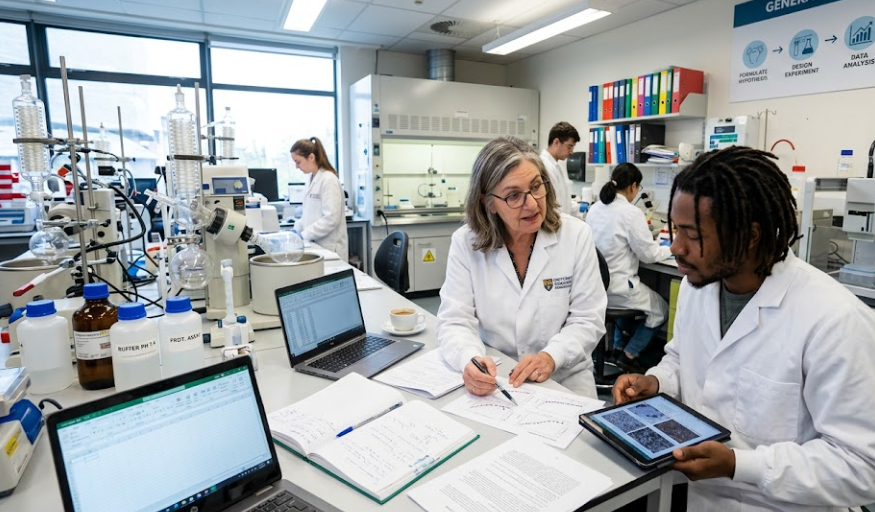
Securing a PhD position is more than finding a vacant laboratory—it is about building a mentoring relationship that will shape your scientific development for the next three to five years. Your supervisor will influence the research questions you pursue, the skills you acquire, your publication record, professional network, and, often, your future career. For this reason, choosing a supervisor deserves as much attention as choosing the research project itself.
Start with Your Research Interests
Before searching for supervisors, define the scientific questions that genuinely interest you.
Ask yourself:
- Which scientific problems do I want to solve?
- Do I prefer laboratory-based, computational, clinical, translational, or qualitative research?
- What technical skills do I hope to develop?
- What career path do I envision after my PhD?
Having clear answers to these questions will help you identify supervisors whose research aligns with your long-term goals rather than simply applying to every available position.
Look Beyond Research Topics
An excellent researcher is not automatically an excellent supervisor. Consider the broader research environment before deciding whom to contact.
Evaluate factors such as:
- The supervisor’s publication record and research impact.
- Whether students publish regularly.
- Availability of funding and well-equipped laboratory facilities.
- Opportunities to attend conferences and collaborate internationally.
- The size and culture of the research group.
- Career outcomes of previous PhD students.
A supportive laboratory culture can be just as important as an exciting research project. Read about their research activities before contacting them. A thoughtful email begins with thoughtful preparation.
Read several of the supervisor’s recent publications instead of relying only on their university profile. Try to understand:
- The major research questions the laboratory is addressing.
- The experimental approaches they commonly use.
- Future directions suggested in their recent work.
You do not need to become an expert, but demonstrating genuine engagement with their research domain distinguishes you from applicants who send generic emails.
Present Yourself as a Future Researcher
Note this, supervisors are not simply looking for students with high grades—they are looking for people who can become independent scientists.
Highlight experiences that demonstrate:
- Curiosity and scientific thinking.
- Research experience and technical skills.
- Problem-solving ability.
- Initiative and resilience.
- Ability to work collaboratively.
- Strong communication skills.
Even if your research experience is limited, emphasise what you learned from projects, internships, laboratory courses, or independent study.
Writing an Effective First Email
Your initial email should be concise, personalised, and purposeful. Rather than trying to impress with lengthy descriptions of your achievements, focus on demonstrating genuine interest in the supervisor’s research and explaining why your background makes you a good fit.
A strong email should:
- Briefly introduce yourself.
- Explain why you are interested in their research specifically.
- Connect your academic background to their work.
- Mention relevant research experience or technical skills.
- Ask whether they anticipate recruiting/accepting PhD students.
- Attach your CV or your ORCID ID
Prepare for the Conversation
If a supervisor expresses interest, treat the meeting as a two-way discussion rather than an interview where only you are being evaluated.
Consider asking questions such as:
- What are the expectations for PhD students in the laboratory?
- How often do you meet with your students?
- What opportunities exist for publications and conference presentations?
- How is collaboration encouraged within the research group?
- What qualities do successful students in your laboratory typically possess?
These questions demonstrate maturity and help you determine whether the laboratory is the right environment for your development.
Handling Rejection Professionally
It is common to receive few responses or occasional rejections. Supervisors may decline because of funding limitations, full laboratories, or research priorities rather than concerns about your qualifications. Treat each application as an opportunity to refine your approach. Continue expanding your list of potential supervisors, personalise each email, and remain professional throughout the process.
Key Takeaway
Finding a PhD supervisor is not simply about gaining admission to a program—it is about finding a mentor whose research, supervision style, and laboratory environment will support your growth as a scientist. Invest time in understanding each potential supervisor’s work, communicate your interests thoughtfully, and approach every interaction with curiosity and professionalism. A well-informed choice at the beginning of your PhD can have a lasting impact on both your research experience and your future career.
Share this