


How AI Is Transforming Student Learning: Benefits, Personalised Learning & Critical Thinking
After reading this article, you should:
- Discover how artificial intelligence is transforming student learning through personalised study recommendations and real-time feedback using adaptive learning systems.
- Learn the benefits of AI in education and why critical thinking remains essential.
Key Takeaway
The true value of AI lies in its partnership with human learning. Students who combine AI-powered tools with curiosity, critical thinking, and guidance from educators will be best equipped to succeed in an increasingly digital world.
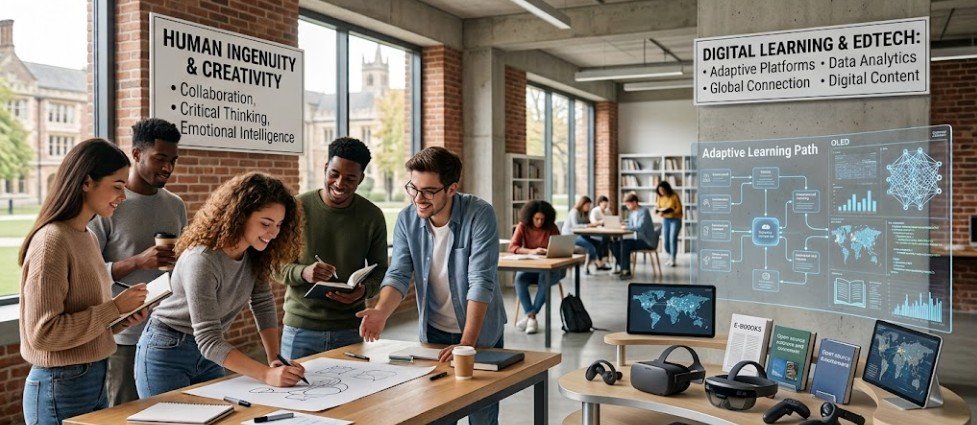
How AI Is Transforming Student Learning
Artificial intelligence (AI) is rapidly changing the way students learn, making the learning process more personalised and engaging, and above all, it is making education more accessible than ever before. From Intelligent Tutoring Systems (ITS) to adaptive learning platforms, AI enables learners to receive tailored learning experiences relevant to their individual strengths, weaknesses, and preferences. Rather than replacing teachers, AI tools serve as partners that support both educators and learners in identifying knowledge gaps and providing timely feedback.
In this article, we’ll explore how AI is transforming student learning, how adaptive learning works, and why critical thinking remains an essential skill in the age of artificial intelligence.
What Is AI in Education?
Artificial intelligence in education refers to the use of machine learning, large language models, computer vision, and adaptive algorithms to support teaching, learning, and school administration. These systems can analyse information, automate grading, perform predictive analytics, recognise learning patterns, and make intelligent recommendations based on analysed data to improve the educational experience.
Therefore, AI-powered educational platforms can:
Personalise learning pathways, assess student performance, and support students in real time; recommend targeted learning resources, automate routine assessments, provide instant adaptive feedback, and help educators monitor student progress.
By using data-driven insights, AI enables a more individualised learning experience than traditional one-size-fits-all teaching methods.
What is Adaptive Learning, and What Are AI’s Roles in This Learning Approach?
Adaptive learning is an educational method that leverages computer algorithms and artificial intelligence to customise learning experiences based on the unique needs of each learner. This approach aims to transform learners from passive recipients of information to active collaborators in the educational process.
The Role of AI in Adaptive Learning
One of the most significant innovations in the contemporary educational system is the evolution of adaptive learning and its future.
Traditional classrooms often deliver identical lessons to every student, even though learners have different abilities, interests, and, naturally, different learning paces. Adaptive learning systems use AI to adjust educational content based on each student’s performance.
Let us take this practical illustration: if a student struggles with fractions but quickly understands decimals, the AI technology that powers the adaptive learning system recognises this fact; it will then draw patterns and recommend additional exercises, videos, or interactive lessons focused on fractions while allowing the learner to progress according to their ability.
This continuous adaptation helps students stay engaged throughout the learning process and learn at their own pace, build confidence, spend more time mastering difficult concepts, and avoid unnecessary repetition.
How AI Analyses Student Performance
Instead of simply recording grades, AI tools collect and analyse multimodal learning data to identify patterns that may indicate where students need additional support, and deploy a formative approach to scaffolding.
Examples of learner data usually collected and analysed by AI tools during the learning process are:
Quiz and examination scores.
- Assignment results.
- Time spent completing activities.
- Accuracy of responses.
- Types of mistakes made.
- Learning pace.
- Engagement with educational content.
For example, if a student got multiple incorrect answers related to the same concept or topic, the system recognises this as a knowledge gap and adjusts future recommendations accordingly.
This ongoing analysis allows students to receive support exactly when they need it.
Personalised Study Recommendations
One of the greatest strengths of AI in education is its ability to recommend study materials and dynamically deliver learning content tailored to individual learners’ needs.
Based on learner performance data, AI can suggest:
- Interactive practice exercises.
- Multimedia study materials.
- Flashcards and revision quizzes
- Step-by-step tutorials.
- Personalised revision schedules.
Many smart learning platforms provide real-time feedback, which supports continuous improvement and encourages active learning. These platforms help students understand mistakes immediately rather than waiting for assignments to be graded.
Why Critical Thinking Still Matters?
Although AI is becoming increasingly sophisticated, it should never replace independent thinking.
AI generates responses based on data and algorithms, meaning it can sometimes produce inaccurate, outdated, or incomplete information. Students should learn to question, evaluate, and verify AI-generated content rather than accepting it without analysis.
Critical thinking remains essential because it helps students in the following ways:
- Evaluate the credibility of information.
- Identify bias and misinformation.
- Compare multiple sources.
- Solve complex problems.
- Develop independent judgment.
Make informed decisions. Note: Effective learners use AI as a learning assistant—not as a substitute for understanding.
Check FAQs on AI in Education (AIEd)
Benefits of AI for Students
Artificial intelligence offers several advantages that improve both learning outcomes for students and their overall learning experience.
- Improved Student Engagement: Interactive lessons, gamified learning, and personalised recommendations help maintain motivation and encourage consistent study habits.
- Flexible Learning: AI-powered platforms are often available anytime and anywhere, making learning more accessible for students with different schedules and learning environments.
Conclusion
Artificial intelligence is transforming education by making learning more personalised, efficient, and responsive to individual student needs. Through adaptive learning systems, performance analysis, and personalised study recommendations, AI empowers learners to progress at their own pace while helping educators deliver more targeted instruction.
However, the true value of AI lies in its partnership with human learning. Students who combine AI-powered tools with curiosity, critical thinking, and guidance from educators will be best equipped to succeed in an increasingly digital world.
As AI continues to evolve, responsible use and thoughtful evaluation of information will remain just as important as the technology itself.
Share this on